


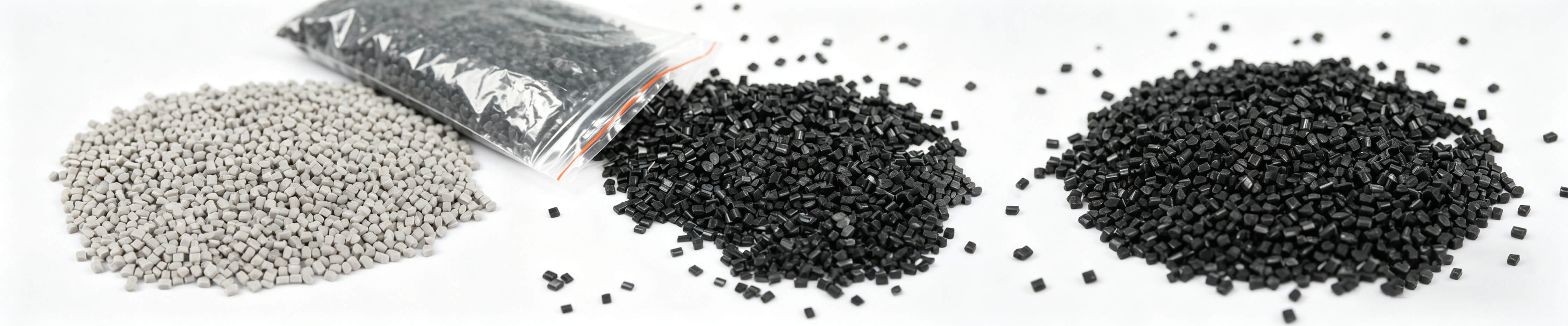
In the 21st century, as resource and environmental crises become increasingly prominent, the use of recycled plastic is no longer a simple matter of cost-benefit analysis. Instead, it is a necessary choice concerning corporate survival, industrial upgrading, and national development strategy. Compared to "virgin" plastic (i.e., plastic manufactured from primary resources like petroleum), opting for recycled plastic offers undeniable advantages and urgency across multiple dimensions, including policy, environment, economy, and social responsibility.
I. Policy Drivers: A Clear Shift from "Constraint" to "Incentive"
The policy direction of both global and Chinese governments has fundamentally shifted, moving from past "encouragement" to a combination of "mandate" and "guidance," creating a robust policy environment for the recycled plastics industry.
Binding Top-Level National Strategies: China's "Dual Carbon" goals (peak carbon emissions by 2030, carbon neutrality by 2060) are binding national commitments. Virgin plastic originates from fossil fuels, and its entire lifecycle (from extraction, refining to polymerization) is a significant source of carbon emissions. Using recycled plastic canreduce carbon emissions by an average of 50%-85%. International regulations like the EU's Carbon Border Adjustment Mechanism (CBAM) also compel export-oriented enterprises to reduce their product carbon footprint, making recycled content one of the most direct and effective pathways.
Deepening Legislation on the Circular Economy: China's "14th Five-Year Plan for Circular Economy Development" and the new "Law on the Prevention and Control of Environmental Pollution Caused by Solid Waste" explicitly mandate "source reduction and resource utilization." The EU's "Plastics Strategy" goes further, setting a mandatory target for all plastic packaging to be reusable or recyclable by 2030. This means manufacturers must increase the proportion of recycled plastic in their products, or they will face risks including market access restrictions, environmental penalties, and even exclusion from supply chains.
Implementation of Extended Producer Responsibility (EPR): Policies are shifting the responsibility for the recycling and regeneration of plastic products from the end-of-life stage back to the producers. By choosing recycled plastic, companies are not only fulfilling their current environmental responsibilities but are also making forward-looking preparations for their future products to enter the circular system and reduce raw material acquisition costs. This has evolved from a moral appeal to amandatory requirement for compliant operation.
II. Environmental Protection and Resource Security: Solving the Dilemma of "White Pollution" and Resource Depletion
From an environmental perspective, choosing recycled plastic is a direct contribution to the Earth's ecosystem, with value far exceeding that of a single product.
Ending the "Linear Economy," Embracing the Circular Model: The traditional "take-make-dispose" linear model is unsustainable. Over 8 million tons of plastic flow into the oceans annually, causing devastating impacts on ecosystems. Recycled plastic transforms waste back into resources,directly reducing landfill and marine pollution at the source, and is a core engineering solution to the "white pollution" problem.
Conserving Non-Renewable Fossil Fuels: Producing 1 ton of recycled plastic pellets saves approximately1.8 tons of petroleumcompared to producing 1 ton of virgin plastic. In a time of global geopolitical instability and increasing energy security concerns, using recycled plastic is a crucial part of reducing dependence on imported crude oil and safeguarding national resource security.
Significantly Reducing the Full Lifecycle Environmental Impact: Beyond carbon reduction, the production process for recycled plasticsaves nearly 70% of energy consumptionand drastically reduces air pollutants (like sulfur dioxide and nitrogen oxides) and wastewater emissions. This directly responds to the specific requirements of national campaigns for blue skies, clean water, and unpolluted land, representing the direct realization of green manufacturing by enterprises.
III. Economic and Brand Value: The Transformation from "Cost Center" to "Value Engine"
In the past, recycled plastic was often seen as "downgraded material," a reluctant choice under cost pressure. Today, its economic rationale has fundamentally reversed.
Mitigating Raw Material Price Volatility, Enhancing Supply Chain Resilience: Dramatic fluctuations in international oil prices directly affect virgin plastic prices, making cost control extremely challenging for downstream enterprises. The raw materials for recycled plastic (post-consumer waste) are relatively independent and localized, with prices less correlated to crude oil. This provides companies with amore stable, predictable cost structure, strengthening supply chain risk resistance.
Meeting Green Supply Chain Requirements, Accessing Premium Markets: Global leaders like Apple, Dell, Mercedes-Benz, and IKEA have all set and publicly announced ambitious targets for using recycled plastic in their products. Their green procurement standards are rapidly cascading down their entire supply chains. Using certified recycled plastic (e.g., with GRS certification) has become a"green passport"for entering these giants' supply chains, a prerequisite for securing high-value-added orders.
Shaping Brand Image, Winning Consumer Mindshare: Global consumers, especially Generation Z, have unprecedented environmental awareness. They are more willing to pay a premium for brands with sustainable commitments. Transparently using recycled plastic is the most intuitive and easily perceived action a company can take to fulfill its ESG (Environmental, Social, and Governance) commitments,greatly enhancing brand reputation and consumer loyalty, and creating differentiated market competitive advantages.
IV. Technology and Quality Assurance: The Leap from "Usable" to "High-Performing and Dependable"
The early issues of inconsistent quality and unstable performance in recycled plastics are a thing of the past. With high-quality recycled plastics holding certifications like GRS, technology has achieved a qualitative leap.
Standardized Quality Systems: Through strict raw material sorting, advanced cleaning and deep purification processes, and precise pelletizing and modification technologies, the performance indicators of high-quality recycled plastics can nowclosely match or even equal those of virgin plastics, meeting the stringent requirements of sectors like automotive parts, electronics, and premium packaging.
Integrated Solutions: Leading recycled plastic suppliers have transformed from simply selling materials to providing integrated service packages of "material + certification + technical solutions." They can offer customized recycled material solutions based on the specific performance, appearance, and regulatory requirements of a client's product, completely eliminating downstream companies' application concerns.
Conclusion
In summary, choosing recycled plastic represents a profound value transformation. It is not merely a compliance move in response to policies and regulations, nor is it solely an environmental act of conscience. Rather, it is a business decision imbued witheconomic rationality, strategic foresight, and brand intelligence. The transition from virgin to recycled material signals an industrial shift from being a "taker" that consumes nature to a "circulator" that coexists with it. This is more than a change in material choice; it is the core code for a company, an industry, to face the future and build sustainable competitiveness. Embracing recycled plastic is embracing a definitive green future.
Choosing Recycled Plastic Over Virgin "New" Plastic: A Multifaceted Imperative from Policy, Environmental, and Economic Perspectives
Apr 03, 2026



 Home
Home
 Mob
Mob
 Contact
 Email
Email