


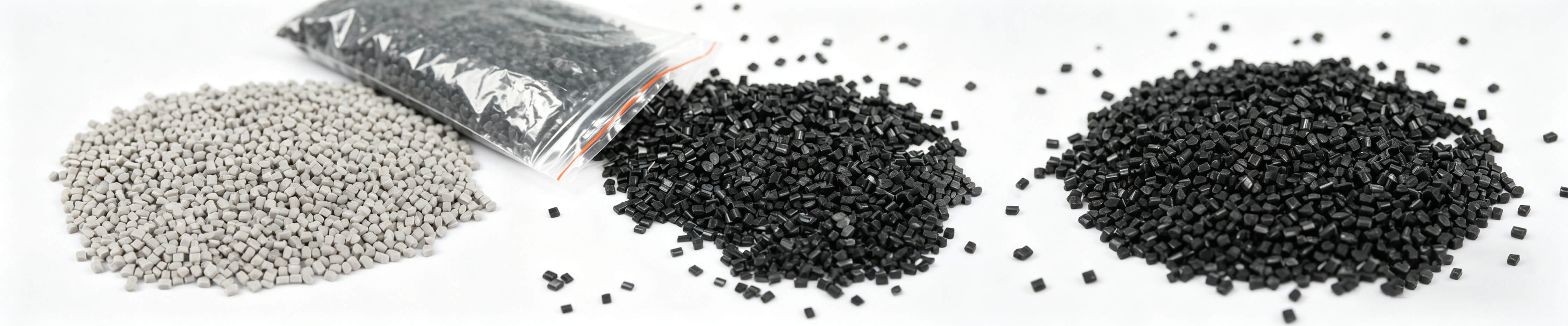
In a world increasingly focused on sustainability, making responsible material choices is more important than ever. Recycled ABS (rABS) pellets represent a powerful step forward, offering a high-performance, eco-friendly alternative to virgin plastics. Sourced from post-consumer and post-industrial waste, these versatile pellets empower businesses to create durable, high-quality products while championing the circular economy.
Let’s explore what makes recycled ABS pellets the smart choice for modern manufacturing.
Recycled ABS pellets are small, uniform granules made from reprocessed Acrylonitrile Butadiene Styrene (ABS) plastic. The raw material comes from discarded items like electronic casings (keyboards, printers), automotive parts (dashboards, trim), and other durable plastic goods.
Through a sophisticated recycling process, this waste is transformed into premium-grade pellets that retain the core properties of virgin ABS: exceptional impact resistance, structural integrity, and thermal stability. The result is a reliable, cost-effective material perfect for a new generation of sustainable products.
Creating high-quality rABS pellets is a multi-step process that combines advanced technology with meticulous quality control. Here’s a look at how it works:
Choosing rABS pellets for your manufacturing needs offers a compelling blend of environmental, economic, and performance advantages.
The exceptional balance of properties in recycled ABS makes it suitable for a wide range of industries and products, including:
1. Are recycled ABS pellets as strong as virgin ABS?
Yes, for most applications. High-quality recycled ABS pellets are engineered to retain the key mechanical properties of virgin ABS, including excellent impact strength and durability. While slight variations can exist, our rigorous quality control ensures that our rABS meets performance requirements for its intended uses, making it a reliable and robust alternative.
2. What are the primary sources of waste for making rABS?
Recycled ABS is typically sourced from durable goods rather than packaging. The most common sources are post-consumer electronics (e-waste), automotive components from end-of-life vehicles, and post-industrial scrap from manufacturing processes. This ensures a consistent and high-quality feedstock.
3. Can rABS pellets be used in injection molding and other processes?
Absolutely! Recycled ABS pellets are highly versatile and perform exceptionally well in standard manufacturing processes, including:
They are designed to be a drop-in replacement for virgin pellets, requiring minimal adjustments to existing machinery and processing parameters.
4. Are recycled ABS pellets available in different colors and grades?
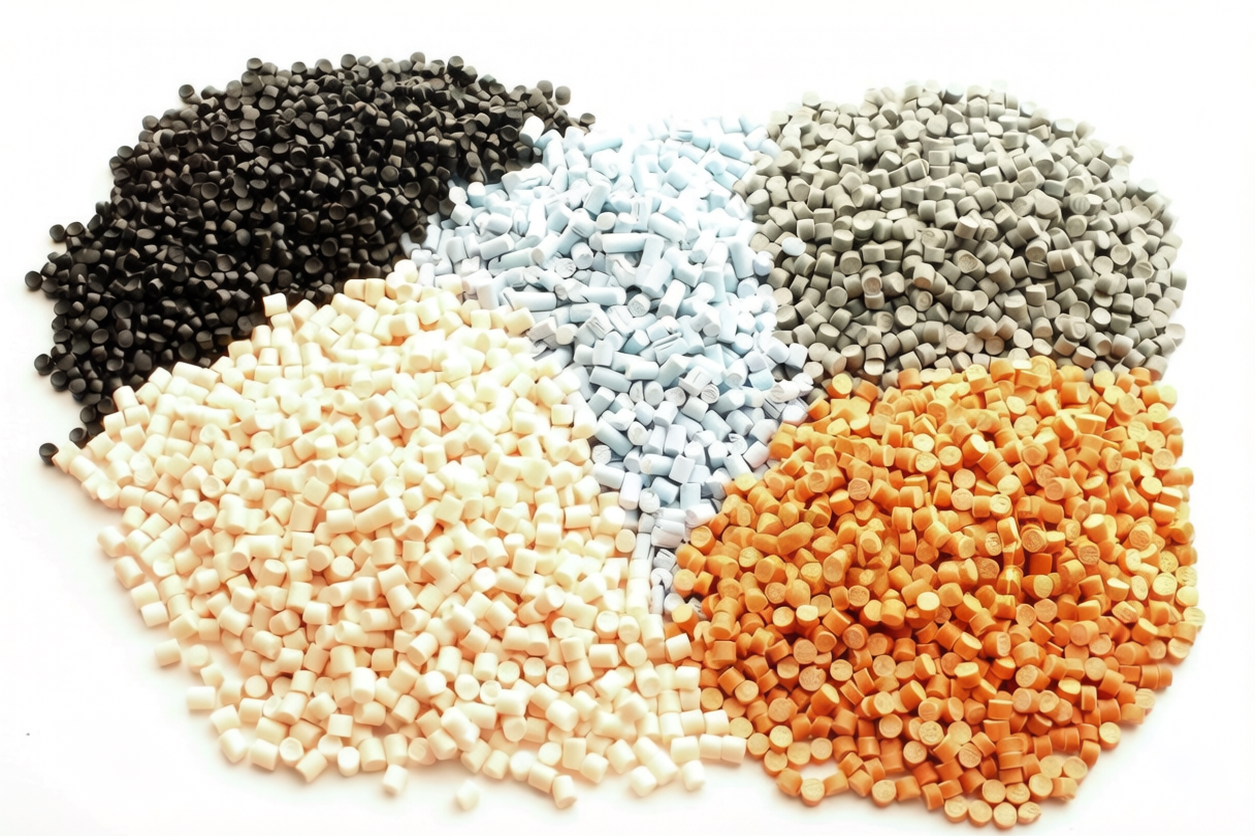
Yes. While the natural color of rABS is typically gray or black due to the mix of source materials, it can be compounded with colorants to achieve a wide spectrum of custom colors. Different grades are also available, tailored to specific performance needs like enhanced UV stability, flame retardancy, or melt flow characteristics.
Ready to build a more sustainable future?
Choose Recycled ABS Pellets for your next project and join the movement toward responsible manufacturing. Contact Us Today to learn more about our products or to request a sample!
The Sustainable Future of High-Performance Manufacturing
Apr 03, 2026



 Home
Home
 Mob
Mob
 Contact
 Email
Email